Debunking Myths About AI and Human Dignity
Understanding the Intersection of AI and Human Dignity
The rise of Artificial Intelligence (AI) has sparked numerous debates, particularly regarding its impact on human dignity. As AI continues to evolve, it is crucial to separate fact from fiction. Misconceptions often cloud our understanding, leading to unwarranted fears and misplaced expectations.

Myth 1: AI Will Replace Human Jobs Indiscriminately
One of the most pervasive myths is that AI will lead to mass unemployment, stripping away the dignity of work. While it's true that AI can automate certain tasks, it also creates new opportunities. History shows that technological advancements often lead to job transformation rather than elimination. AI is no different, promising roles that require human creativity, empathy, and complex decision-making.
Moreover, AI can enhance human capabilities rather than replace them. By taking over mundane tasks, AI allows humans to focus on more meaningful work, fostering a sense of purpose and fulfillment.
Myth 2: AI Lacks Ethical Considerations
Another myth is that AI inherently lacks ethical considerations, posing a threat to human dignity. In reality, AI systems are designed and programmed by humans, who instill ethical frameworks into their operations. The development of AI involves rigorous discussions on ethics, ensuring that these technologies align with societal values.

Many AI applications are built with the intention of supporting human dignity, such as healthcare AI that assists in diagnosing diseases, thereby enhancing patient care and outcomes.
Myth 3: AI Will Lead to a Loss of Human Control
Some fear that AI could surpass human intelligence and lead to a loss of control. However, AI is a tool created to serve humanity, and its development is guided by strict regulations and oversight. Human oversight is integral to AI deployment, ensuring it operates within intended parameters.
By maintaining control over AI systems, humans can harness their potential while safeguarding dignity. The focus remains on collaboration between AI and humans, emphasizing partnership rather than domination.
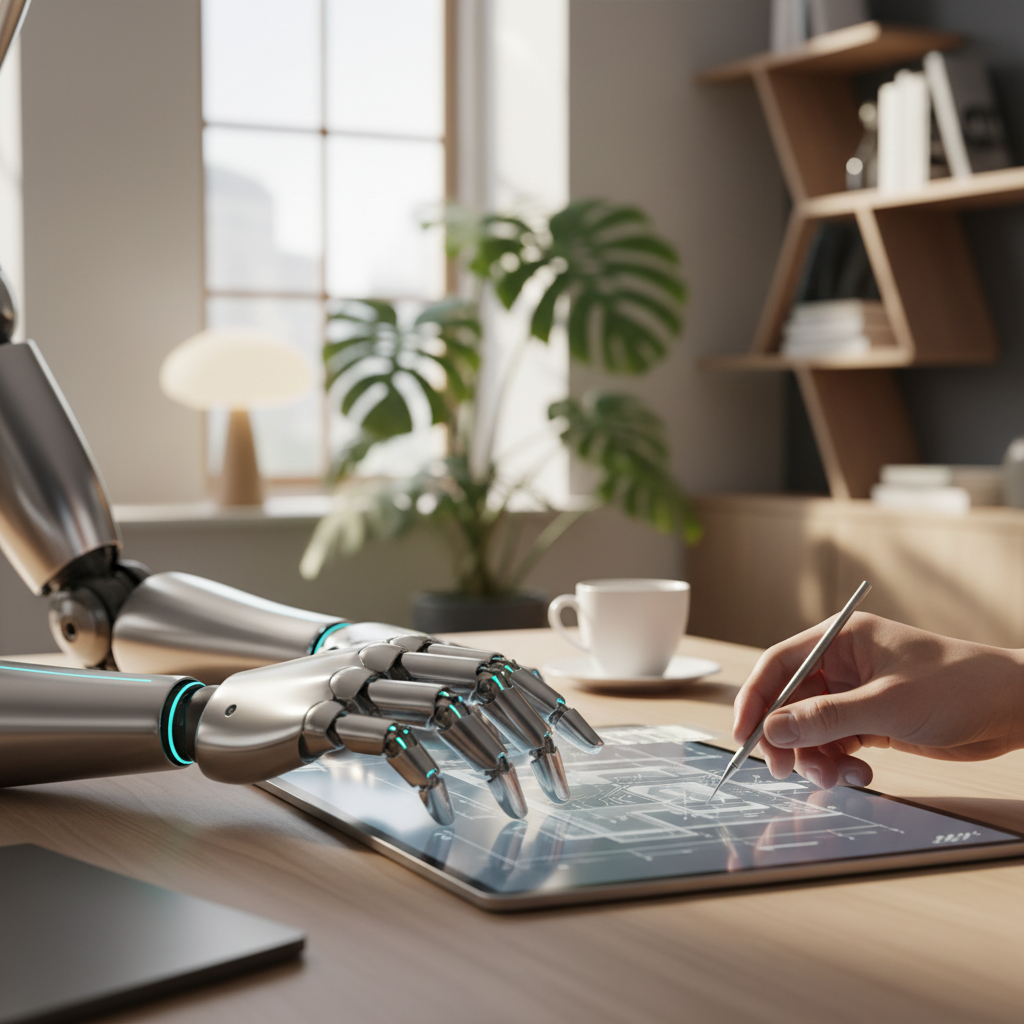
Myth 4: AI Dehumanizes Interaction
There's a concern that AI could lead to dehumanized interactions, particularly in customer service and communication. However, AI often enhances interactions by providing personalized experiences and freeing up human representatives to handle complex issues that require a personal touch.
As AI continues to integrate into our lives, the balance between technology and humanity is crucial. By debunking these myths, we can approach AI with a more informed perspective, focusing on its potential to uplift rather than undermine human dignity.